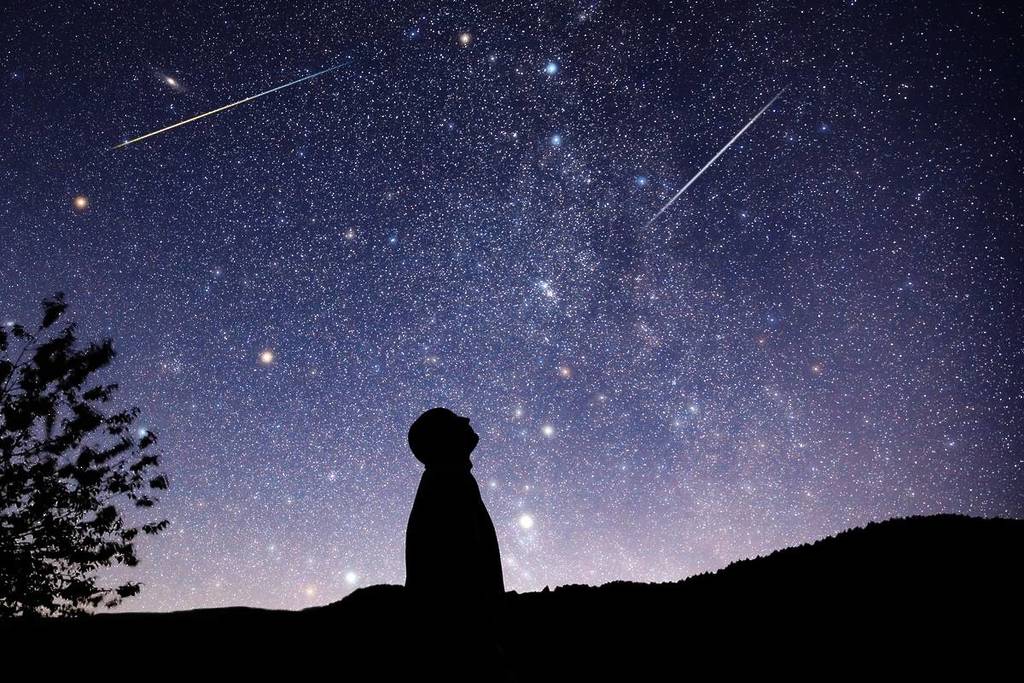

The Perseid meteor shower marks the summer with its prolific parade of meteors streaking across the sky. The Earth’s orbit crosses the debris left in the wake of Comet Swift-Tuttle, and these small particles collide with the atmosphere at speeds reaching 200 km/h and temperatures exceeding 1000 ºC.
And this astronomical phenomenon, which unfolds before our eyes as humble Earth-bound spectators, is calledthePerseidmeteor shower, also popularly known in Spain asthe “Tears of Saint Lawrence” because its peak activity occurs around August 10, the feast day of the martyr.
When will we be able to see the Perseids in Seville?
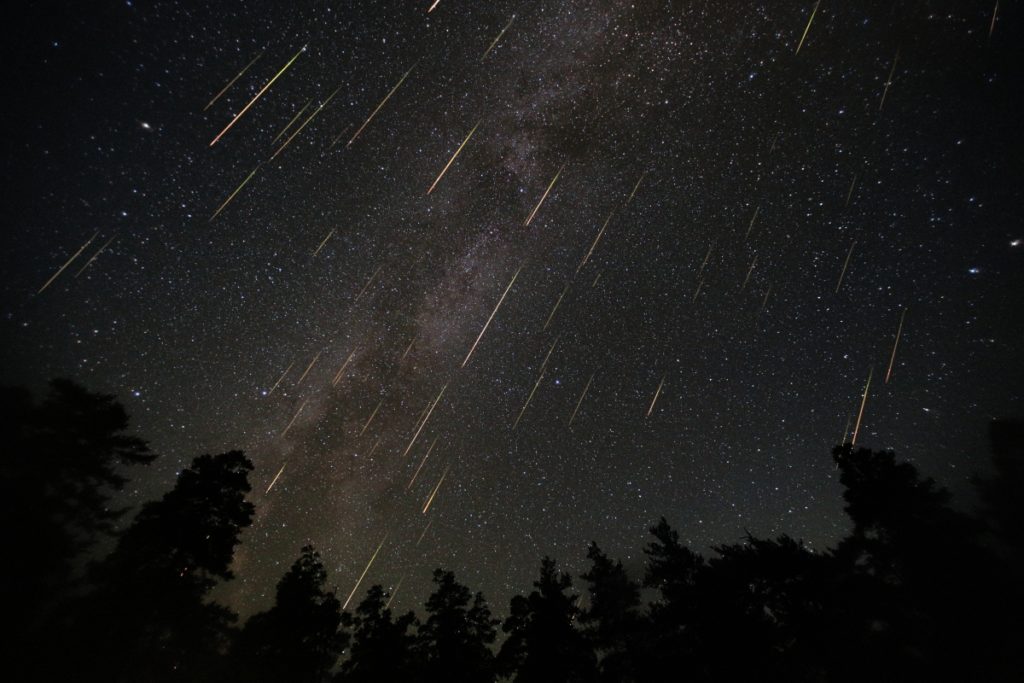
Although in 2026 they will reach their peak on August 13 between 4:00 a.m. and 6:00 a.m., they can be observed until the very end of the month.
The best time to view this popular meteor shower, however, will be between 11:00 p.m. on August 12 and 11:00 a.m. on August 13.
Furthermore, this year the moon will be in its new phase on August 12, so the absence of moonlight will allow us to enjoy a particularly dark sky.
The wide time frame of the Perseid meteor shower, visible throughout the northern hemisphere, has made it one of the best-known and most popular phenomena, according to the Department of Astronomy at the National Geographic Institute (IGN).
The Historic Solar Eclipse
Additionally, August 12 coincides with another unprecedented astronomical event. For the first time in over a century, a total solar eclipse will occur, crossing the peninsula from northeast to southeast and plunging the sunset into complete darkness for a few moments.
By the way, you can get free, certified viewing glasses through ONCE or by attending the astronomy events in Huévar del Aljarafe.
Although the band of absolute darkness does not pass directly over Seville, experts agree on something surprising: our province is emerging as one of the ideal destinations to enjoy this historic phenomenon.
Where can you see the San Lorenzo meteor shower?
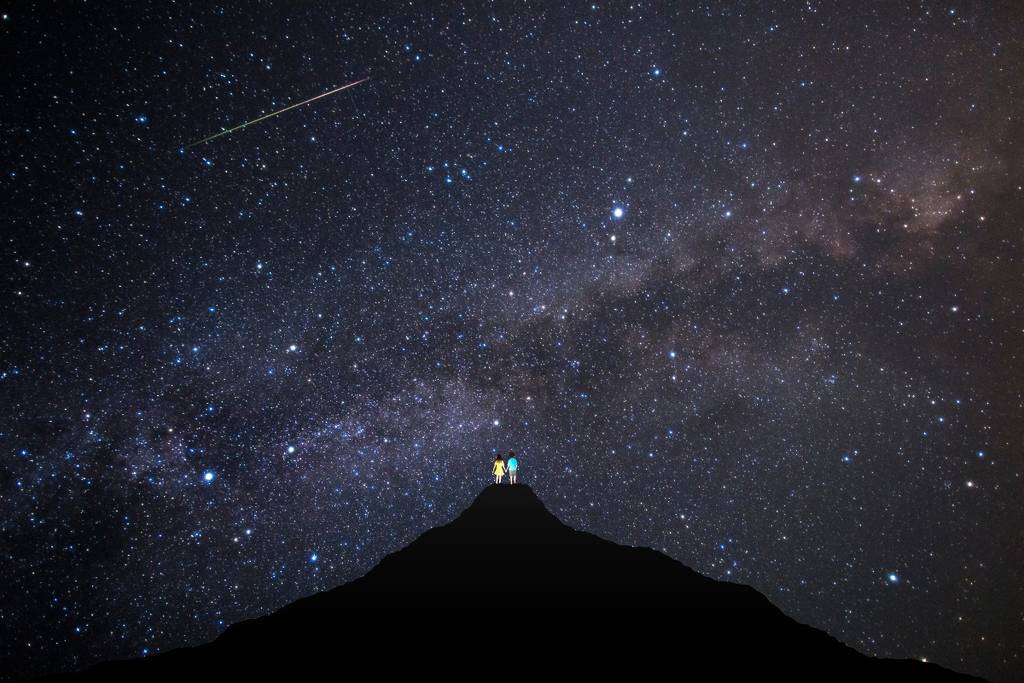
To view the sky during these days, the so-calledStarlight Reserves are ideal; these areas are committed to protecting the night sky and facilitate stargazing, whether for scientific, natural, or cultural reasons.
In any case, the National Astronomical Observatory recommends finding a spot where the sky is completely dark (away from the moon), free of light pollution, and far from areas affected by light pollution, buildings, and trees in order to maximize your field of view.
Beyond Seville and its province, there are several areas in Andalusia that stand out for offering clear skies and visual experiences for astronomy enthusiasts.
The Los Pedroches Valley, the Sierra Morena, the Sierra Sur of Jaén, the Sierra Sur of Cádiz, and the iconic village of Fuente Tójar are key viewing locations.