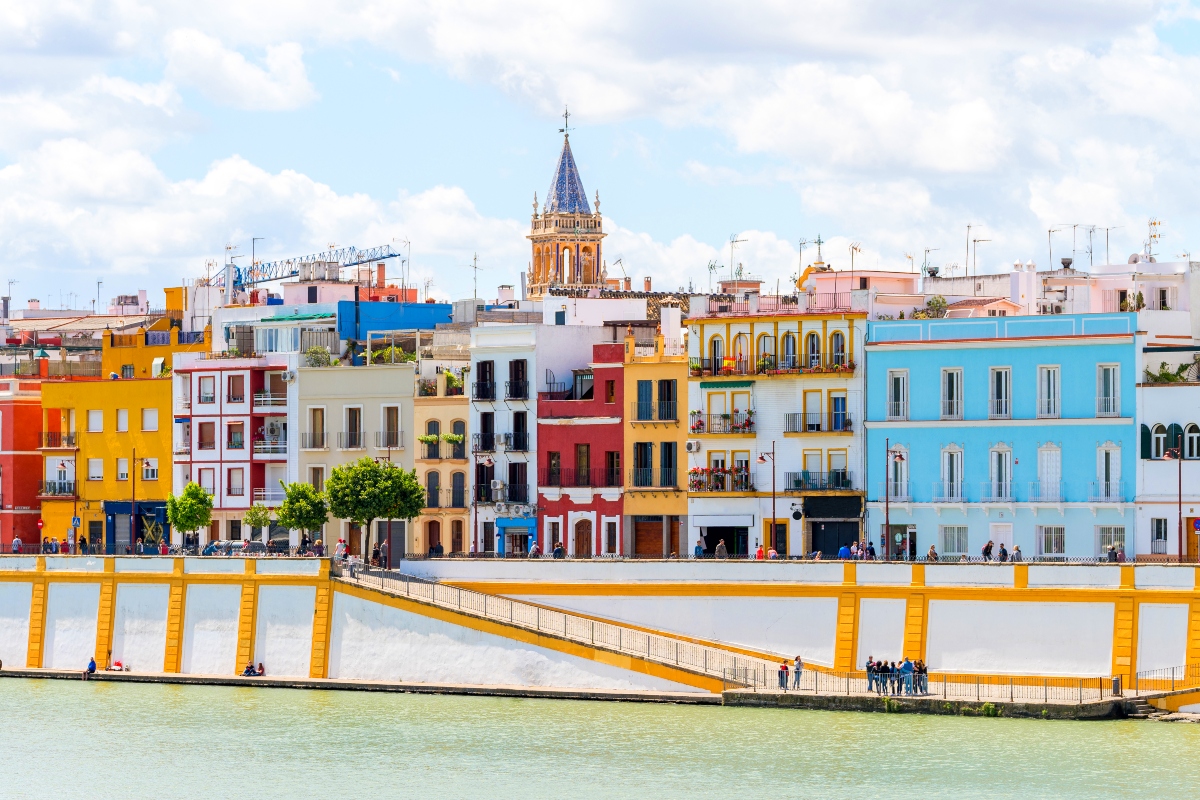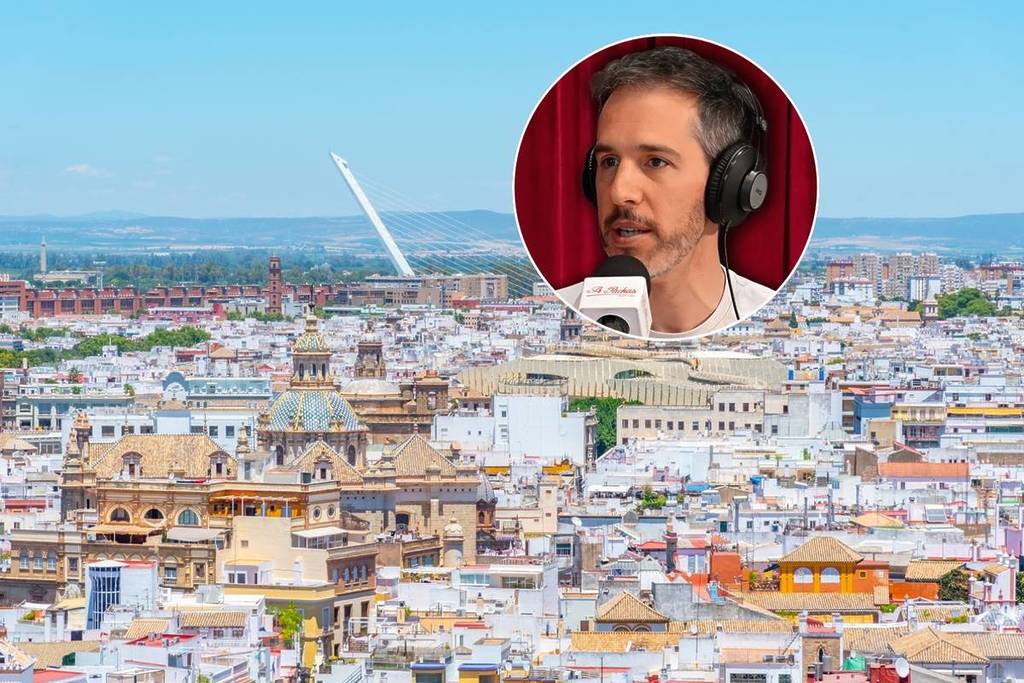
The proliferation of tourist apartments in Seville, the scarcity of affordable public housing and, on the other hand, unstoppable rising rents. A breeding ground that make the housing situation in Spain completely unsustainable and that Jaime Palomera addressed in the podcast “A pachas” of Secret Media Network.
Doctor in Economic Anthropology from the University of Barcelona and co-founder of the Sindicat de Llogateres, attended the event to try to shed some light (also keys) on the issue of housing in Spain.
Why is it impossible to live in the Santa Cruz neighborhood in Seville? Journalist Antonio Pineda pointed out that in 2023, 61.2% of its dwellings were for tourist use, according to Exceltur. In fact, it was the neighborhood with the highest number of these properties in the 6 cities with the most tourist housing in the country.
Tourism and industry have taken advantage of the resources of attractive destinations to make real estate investments and take advantage. And the issue, Palomera stresses, “is not solved by building.”
“If you don’t change the rules of the game, most of the houses you build are going to be kept by individuals who are going to use them as investment products and are going to expect to get the maximum profitability and will cause prices to skyrocket.”
As far as home ownership is concerned, “only 14% say they have taken out a mortgage to buy their first home. That gives you an idea of the level of speculation”.
Possible solutions to the housing market
On the one hand, Palomera pointed out an underlying problem in the system. And that is that “those who have money have an incentive and will be recommended to buy houses […]. Instead of thinking about whether they are good or bad, what we need to consider is changing the incentives to invest in the productive economy”.
Another of the decisions that could be applied to prevent houses from being owned by a few is “to make it easier for people who do not have houses to pay less taxes in order to save and build a future for themselves and for people who have many houses to pay more taxes when what they do is to buy houses to raise prices”.
Cooperative housing
Among the proposals on the table, Jaime Palomera considers cooperatives to be a good alternative. Housing cooperatives consist of “paying for the entire building together so that everyone gets a cheaper price for each of the houses”.
“In Barcelona there are a lot [of cooperatives]; in Madrid there are some; there are more and more,” he added before banishing another myth. “Cooperative housing is not shabby housing, they are beautiful: wooden buildings where people of all kinds live – older people, young people.”
The cases of Vienna and Singapore
It is interesting to mention the cases of Vienna and Singapore, two cities that have managed, if not to solve, at least to control the housing issue. These are two models that are committed to public housing and tax control for owners with several properties.
These and other issues, such as speculation in the suburbs or the figure of expats and digital nomads are addressed in the podcast. You can listen to it in full on Spotify or Youtube.