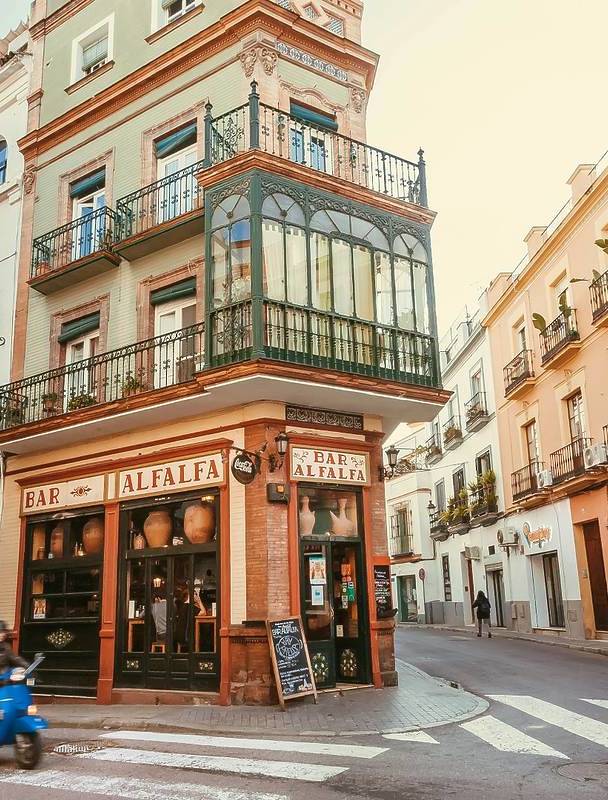

Leaning on a bar. This artifact, so typical of our land, brings together diners eager for food and drink and turns midday into a ritual that is becoming increasingly indispensable. And if gastronomy is being revisited, Tribeca is doing the same by giving importance to its bar, which now also welcomes palates in search of a more spontaneous look at this refined establishment by Pedro Jiménez.
And so, what began as a complementary corner is now a fresher setting where technique meets seasonality in the same restaurant.
Breaking the barrier of the white tablecloth
Since its opening in 2002, Tribeca has established itself as a benchmark for rigor. And when it comes to bringing excellence to a public seeking more informal experiences, the answer is its bar.
A space designed to bridge the gap between tapas and small plates that maintain the same high standards as the formal menu, but with a much freer spirit.
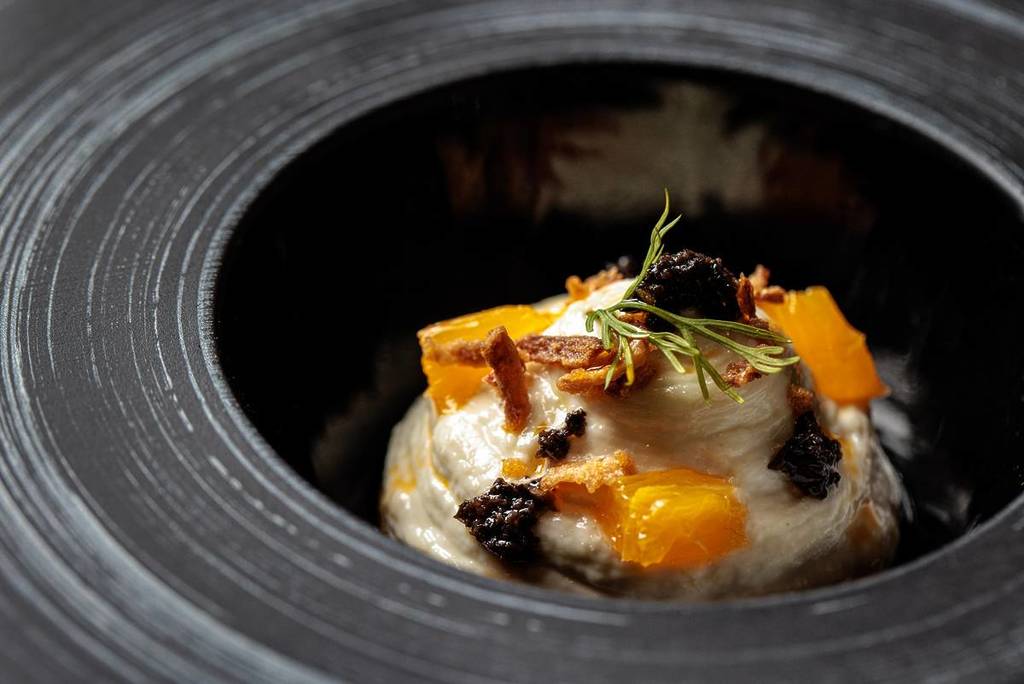
Tribeca’s bar bases its appeal on constant movement. Market produce that varies depending on what the sea or land offers each day. The “off-menu” items allow the kitchen team to experiment with more direct formats.
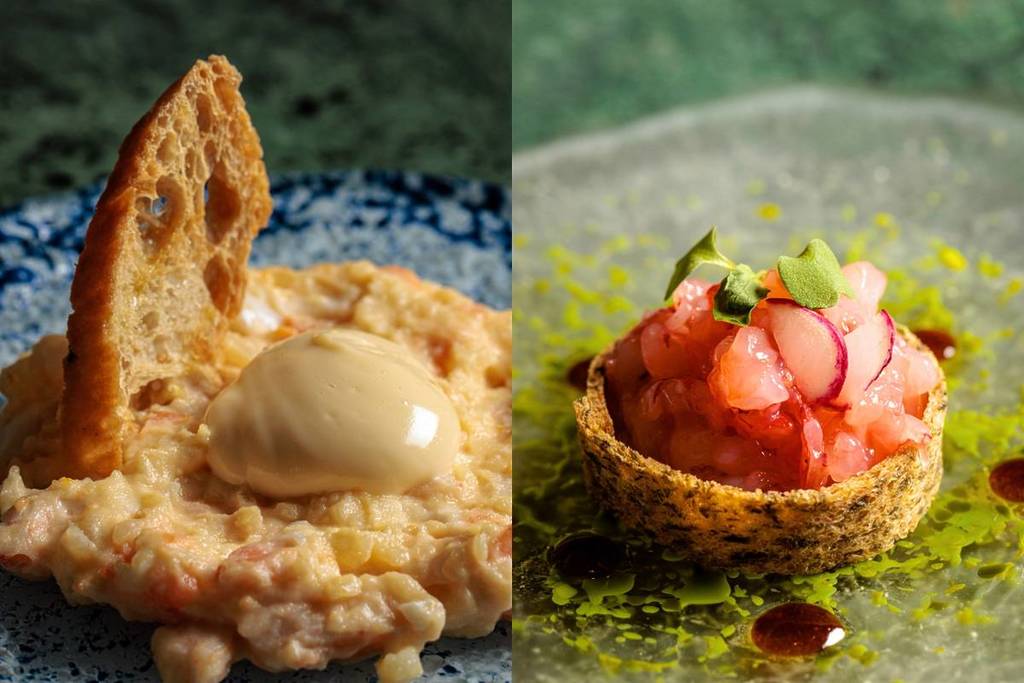
The shrimp salad, the tempting scarlet shrimp tartare, the cod brandade, black olives, and oranges are just some of the dishes that parade across the bar. There’s also beef tripe and lobster and Iberian bacon omelet.
Pedro Jiménez, without artifice and with a lot of jazz
To understand Tribeca’s cuisine is to understand the trajectory of its creator. Pedro Jiménez’s proposal is not the result of chance, but of a cosmopolitan curiosity that is reflected in every detail, from the wine cellar to the background music.
Pedro Jiménez’s touch exudes finesse and simplicity. An unpretentious cuisine that now pairs with a proposal closer to the diner without renouncing the essence of Tribeca.