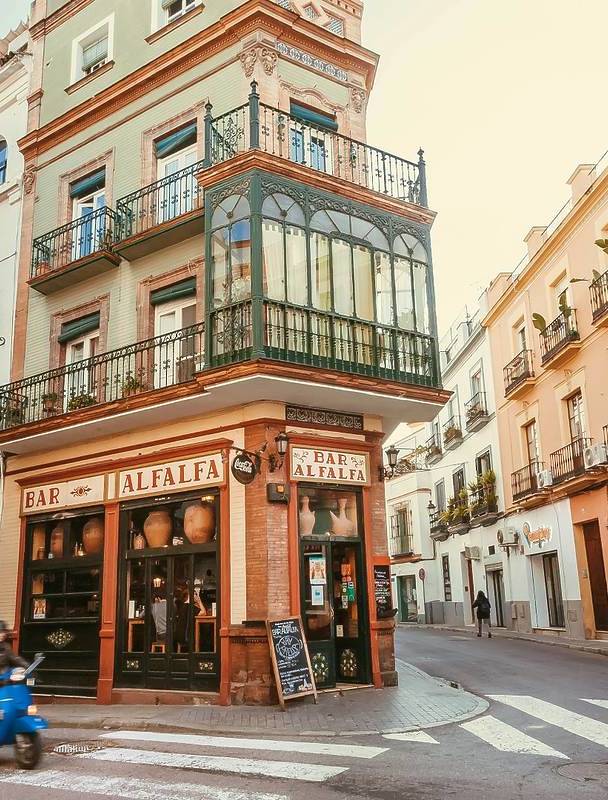

Cafés, as spaces where recreational, social, and even economic activities took place, became established in Europe and would arrive in Spain toward the end of the 18th century. Jovellanos already mentioned them and, in a memoir published in 1790, dubbed them “houses of conversation.”
A business venture of the early restaurateurs that, in the words of a journalist from the Diario de Barcelona in 1795, “are everywhere the most popular spots because they are the political center of cities.” They have inspired books, served as settings for films, and today some remain, notes Antonio Bonet Correa in Los cafés históricos, “as a place for gathering and meeting, for conversation and social interaction. A public and civic space.”
In nineteenth-century Seville they existed, and also in the twentieth century as a major feature of the city’s streetscape. From the Café Suizo or La Perla to the Placentines, which were located in the vicinity of La Campana, Sierpes, or the Plaza del Duque . There, the intellectuals of the time gathered to prolong their gatherings amid refreshments and classical décor.
Thus, one turns to the Gran Café España, the project that Ramón López de Tejada (formerly at the helm of the Antigua Abacería de San Lorenzo) will bring to life in the spring of 2024.
Located on Seville’s gastronomic “golden mile,” in the space formerly occupied by the Muebles Matamoros furniture store, this establishment draws on the hospitality of a bygone era.
Inside, one can indulge in dining from breakfast through to the last glass of Amontillado.
The aesthetics of the classics with a casual bar
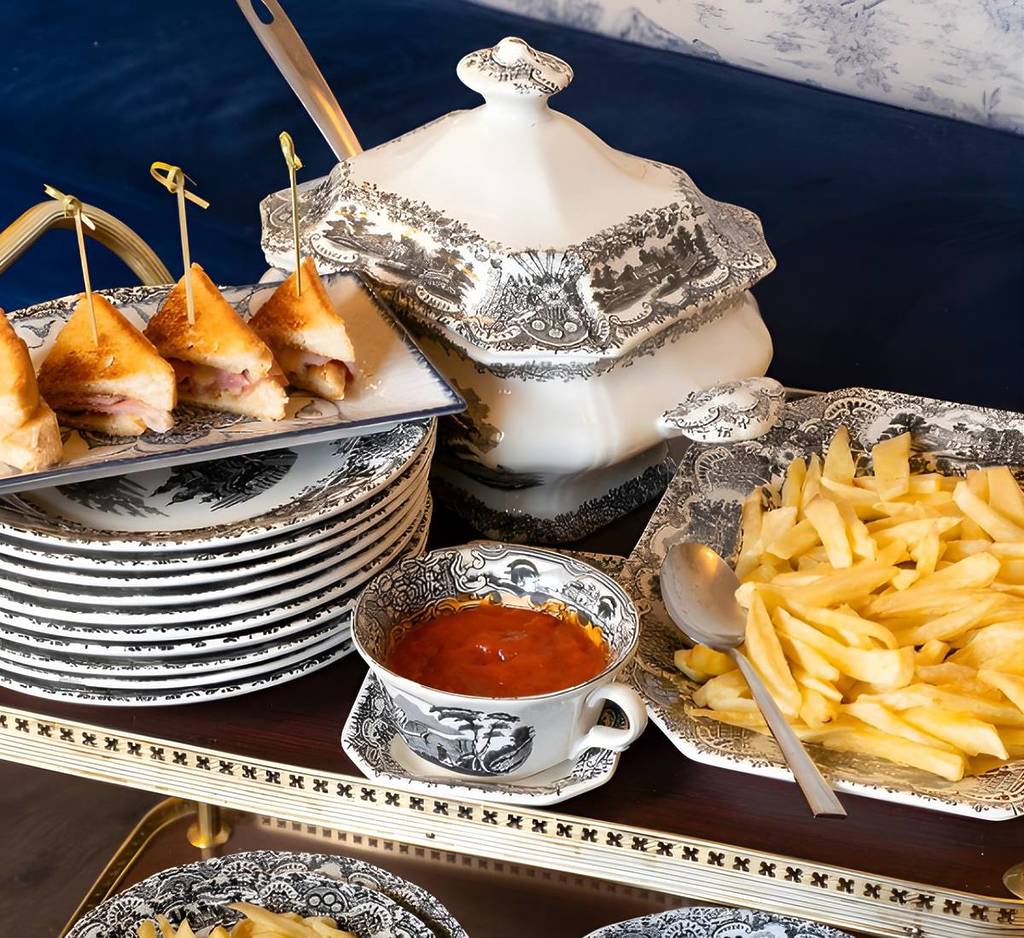
The Gran Café España eschews minimalism and embraces a romantic aesthetic, evident in its typography, the floral-patterned wallpaper, and the deep blue that permeates the entire space.
What is interesting, in any case, is ensuring that the antiquated setting does not look like a stage set and that, beyond the counter, the tablecloths, mirrors, service, and lighting appear authentic.
At the helm of the business, Ramón exudes that charm that only that iconic lineage of Sevillians can embody. In his manner and his way of speaking, there is an understanding of service that echoes a bygone era.
And one indulges in that exercise in nostalgia upon entering the establishment, becoming intoxicated by the scent of incense and taking in the sight of the Conde Rivas ties on display the day of our visit.
And what do they serve at the Gran Café España?
The establishment caters to culinary leisure from early morning and offers an extensive breakfast menu. In addition to the classic option— coffee and a muffin with standard toppings (between €3 and €6, including the drink) —there are other, more succulent offerings.
They serve special breakfasts featuring, for example, freshly made potato omelets or the restaurant’s signature dish, which bears its name.
And for €24, the “Gran Café España” breakfast includes a glass of cava or wine, fresh orange juice, coffee (or tea or instant cocoa), and an array of savory items. Namely: scrambled eggs, bacon, sausage, chopped pork, toast, pastries or savory puff pastries, plus a small ham roll.
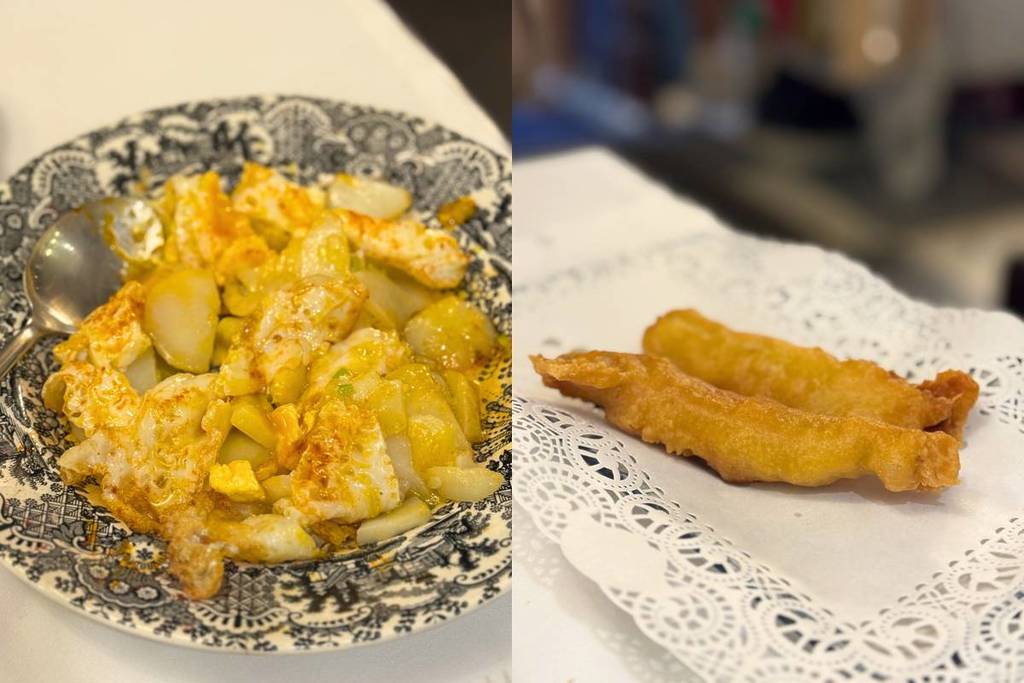
Without invoking tradition as a pretext, Gran Café España serves charcuterie, tapas, and some classics inherent to the hospitality industry. In this regard, there is a special emphasis on stews, notably the black rice with aioli and garlic-fried prawns, or Ramón’s signature egg dishes, which are always a hit.
Likewise, the menu highlights wines, with particular attention to Andalusian wines, sparkling wines, and liqueurs, and the dessert section is a parade of classic temptations.
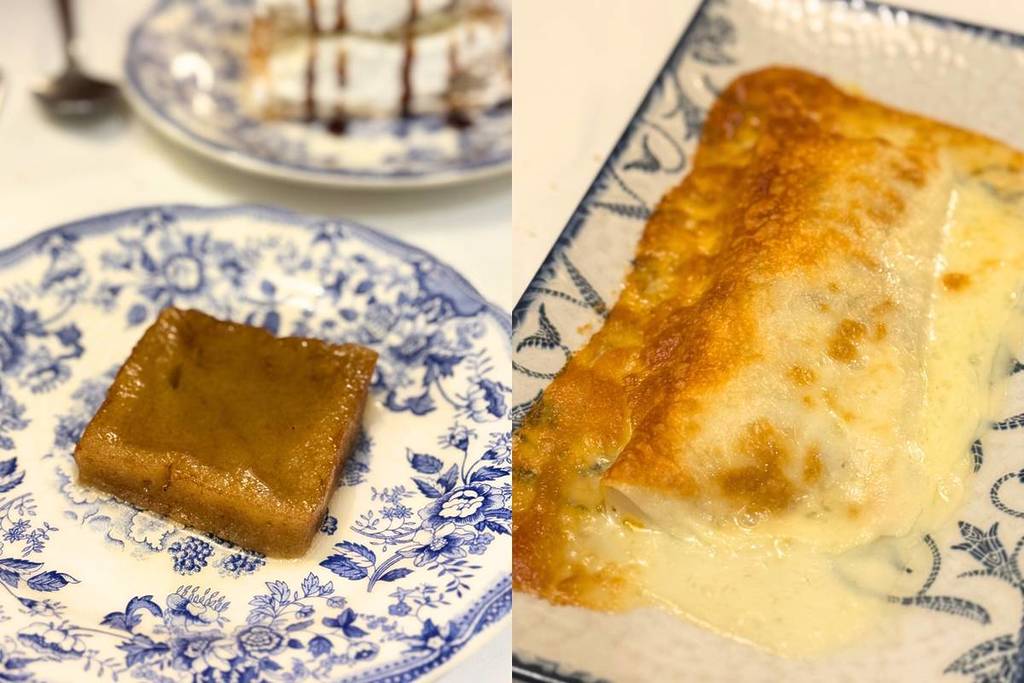
Coffee flan, cream mille-feuille, or Sevillian torrija flambéed with aguardiente are some of their offerings.